
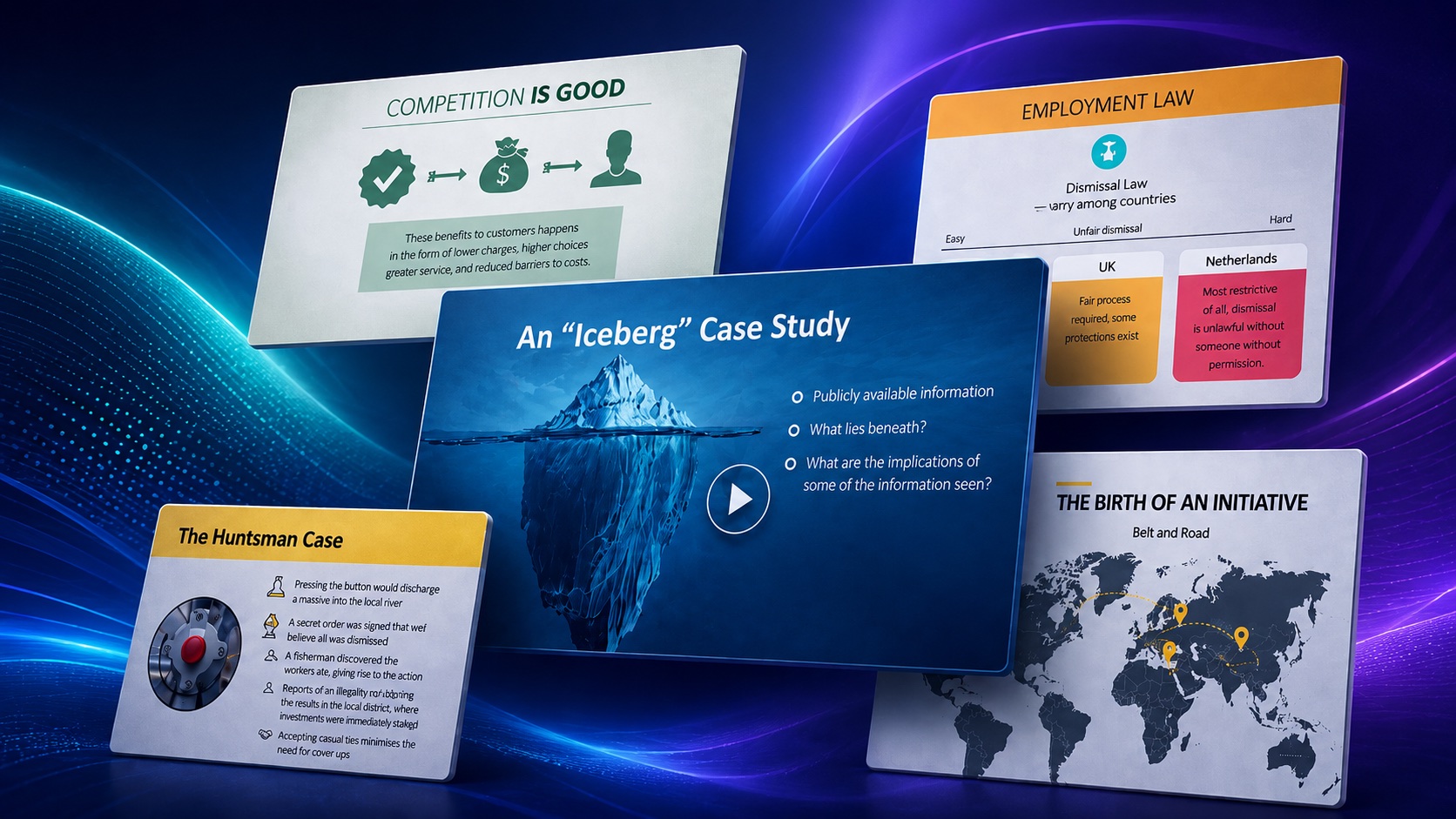
HSTalks is an online learning platform providing subscription access to expert-led video lectures, case studies, and downloadable teaching resources in Business & Management and Biomedical & Life Sciences, used by universities and organizations in more than 60 countries.
For over 10 years, I designed and developed hundreds of audiovisual lectures, transforming dense academic and business content into clearer, more engaging learning experiences. My work combined information design, content structure, visual hierarchy, animation, audio editing, synchronization, and quality review across a large and continuously expanding content library.
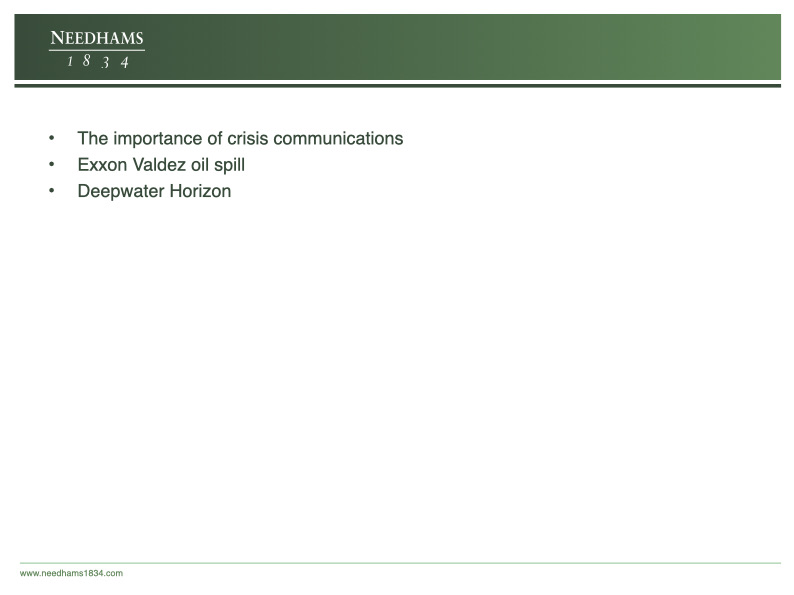
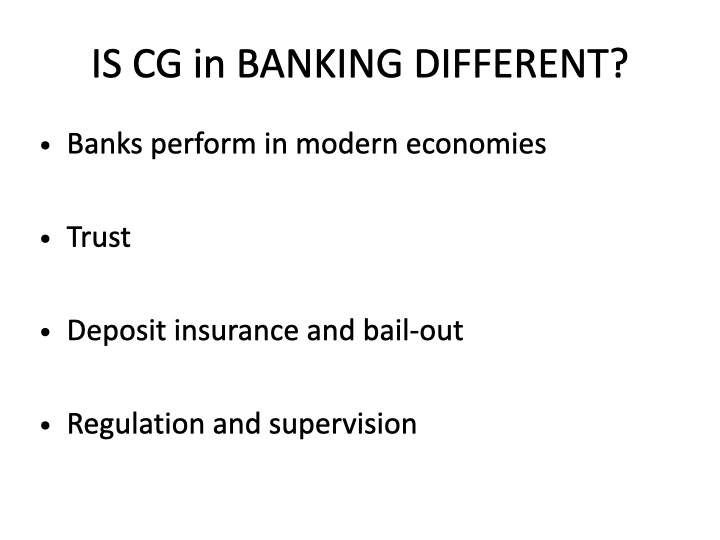
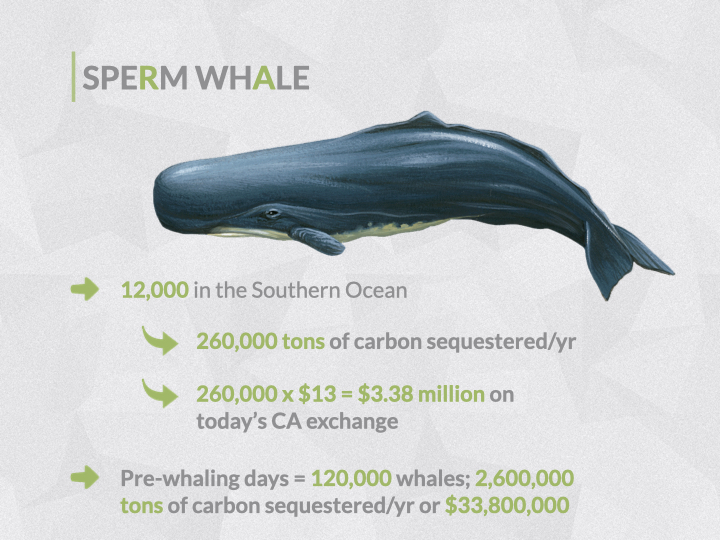
Slides sent by speakers were text-heavy, outdated and made to support live lecturing. These presentations were not used in a live room where a speaker could explain, pause, gesture, or clarify. They were online lecture videos, so the slides had to carry more responsibility: guiding attention, reducing cognitive load, and making complex material understandable without overwhelming the viewer. This scenario presented a few different challenges:
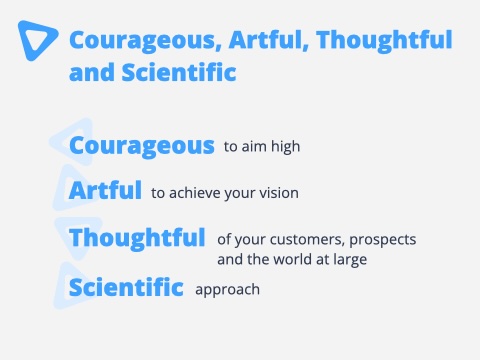
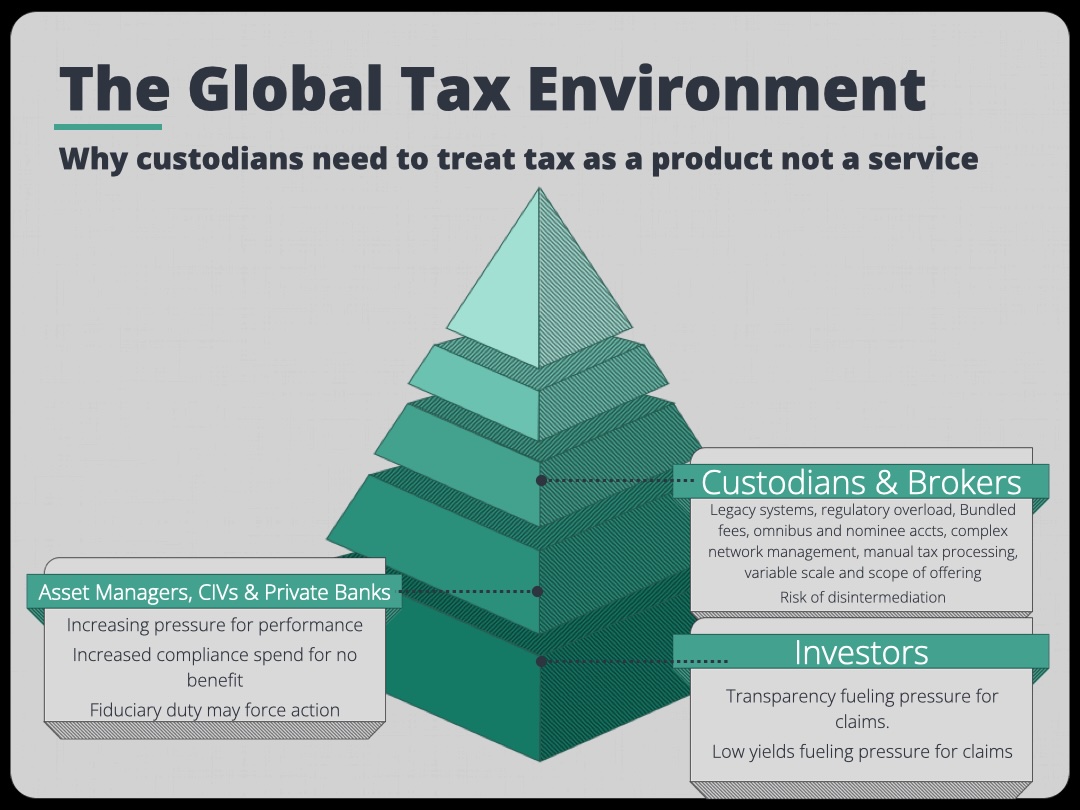
Dense, text-heavy slides made the content hard to scan and harder to remember
The Insight:Viewers would stay longer in lectures where can understand the message at a glance instead of decoding long, text-heavy paragraphs.
Approach:I simplified layouts, reduced competing information, and used hierarchy to surface the main point quickly and reduce the cognitive load.
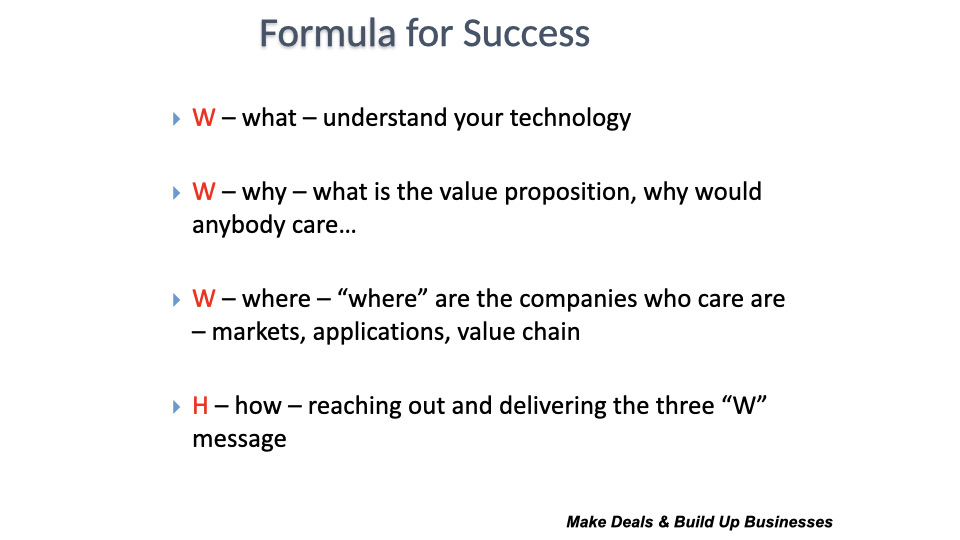

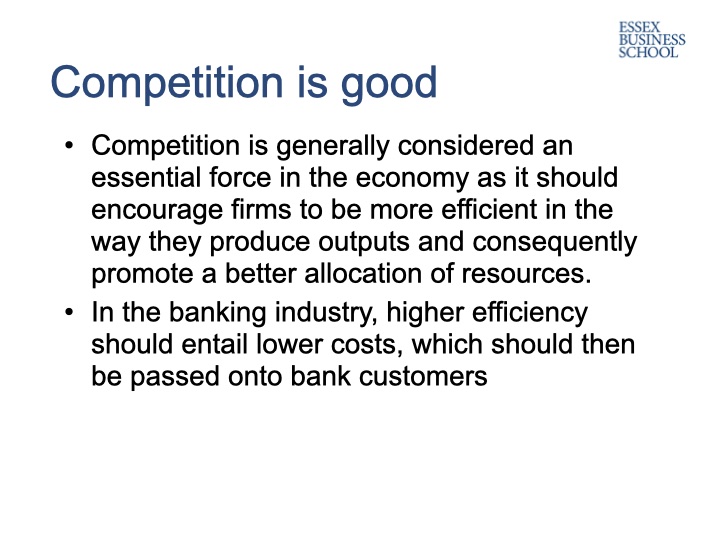
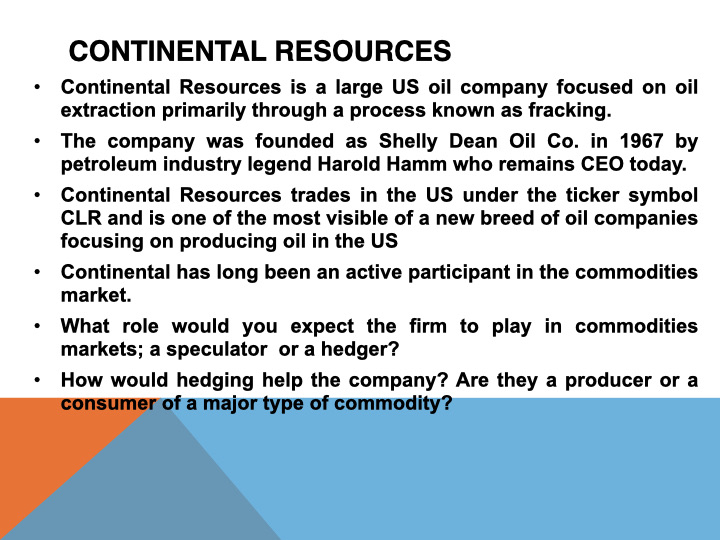
The original decks were intended for live lectures, where the lecturer was the main focus and the slides were a support tool, so, without the lecturer they become boring and lifeless.
The Insight:Lecturers still wanted to be in control of the points being made and what messages to highlight even when they weren’t present.
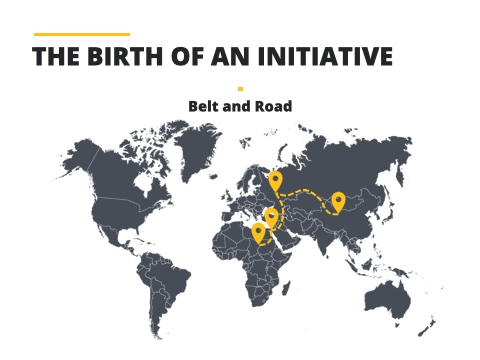
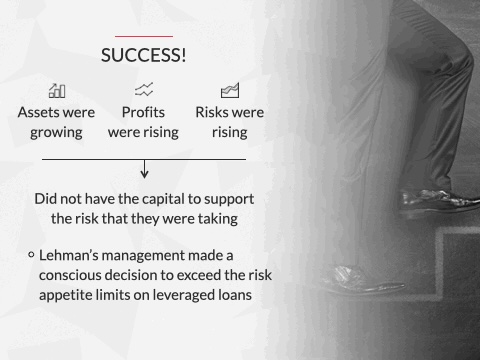
Approach:Adapting, adding and/or changing content where needed, using animation to guide the narrative and rich visuals to grab the viewer’s attention.

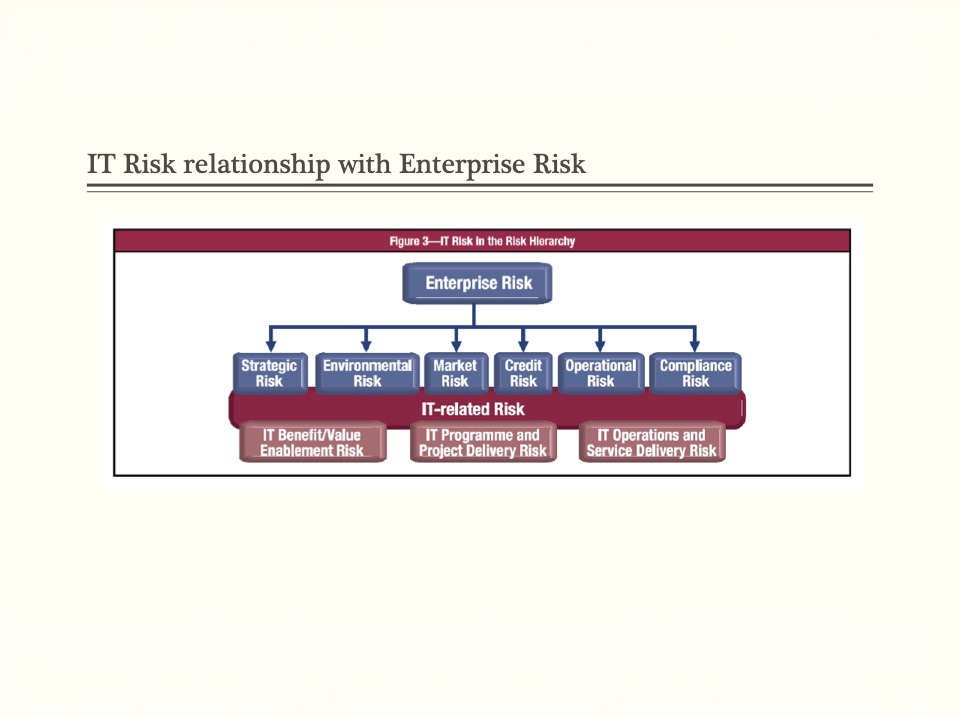
The world of publications is full of content that is the propriety of the publisher/author. To re-publish, you either need to buy the rights or count with their grace of agreeing to let you use it for free.
The Insight:The viewer had no idea how an specific concept was originally presented, giving us absolute freedom on how to present it while keeping the main point intact.
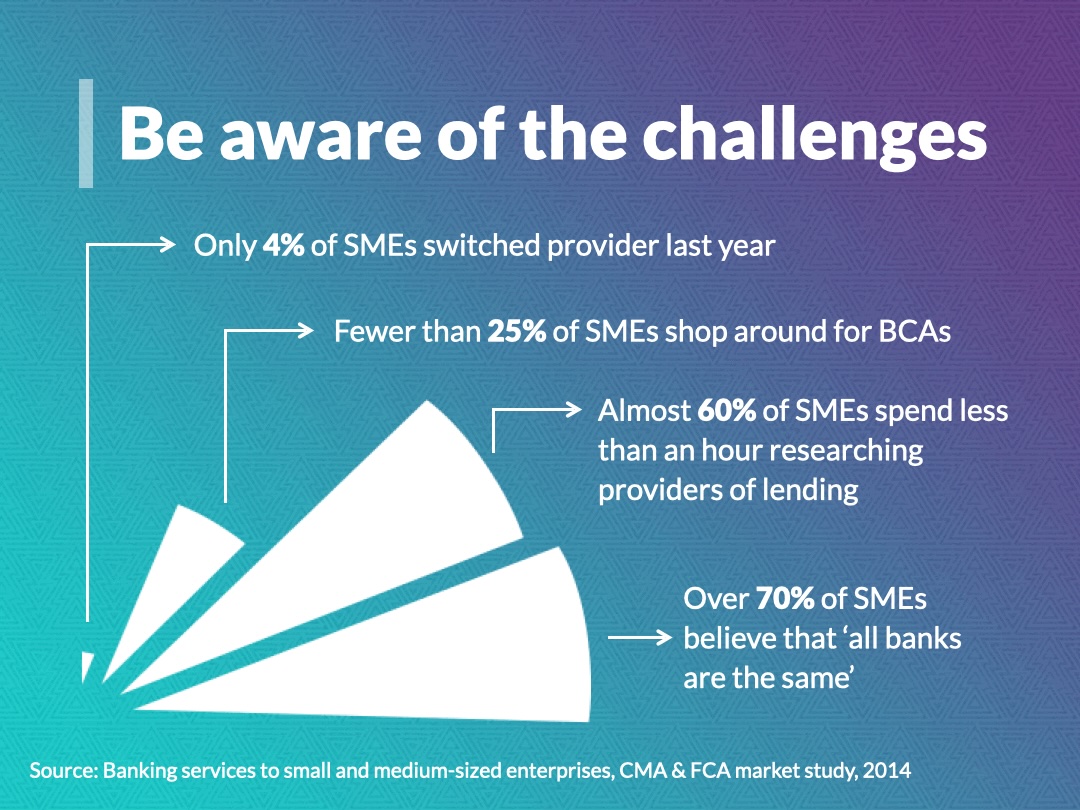
Approach:Images and illustrations can always be substituted for stock images, but the information in graphs and tables have to be differently represented to avoid legal issues.
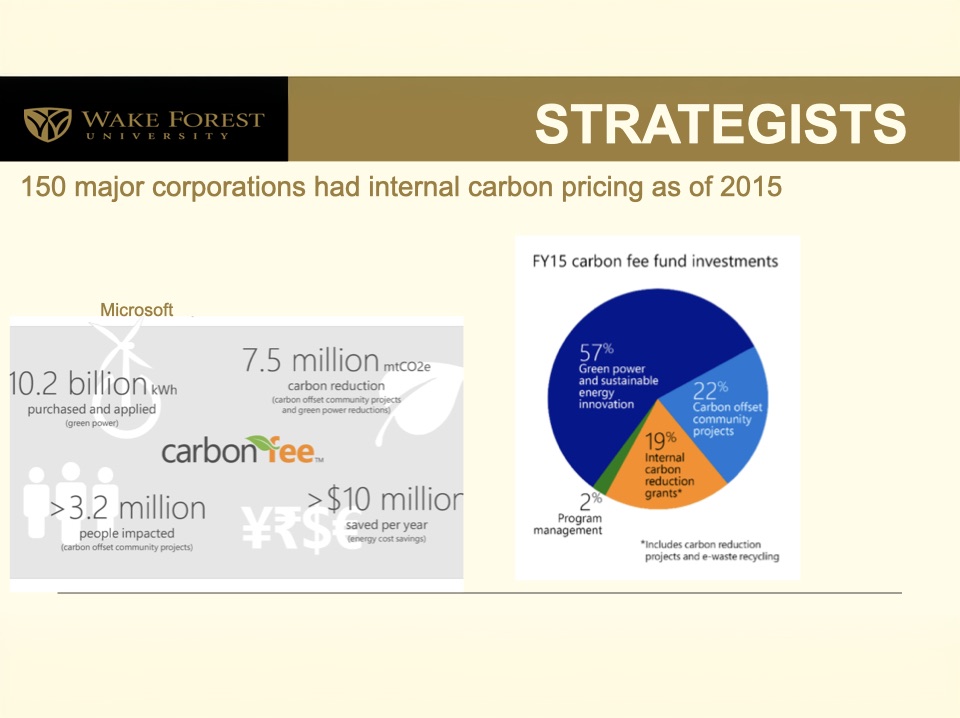

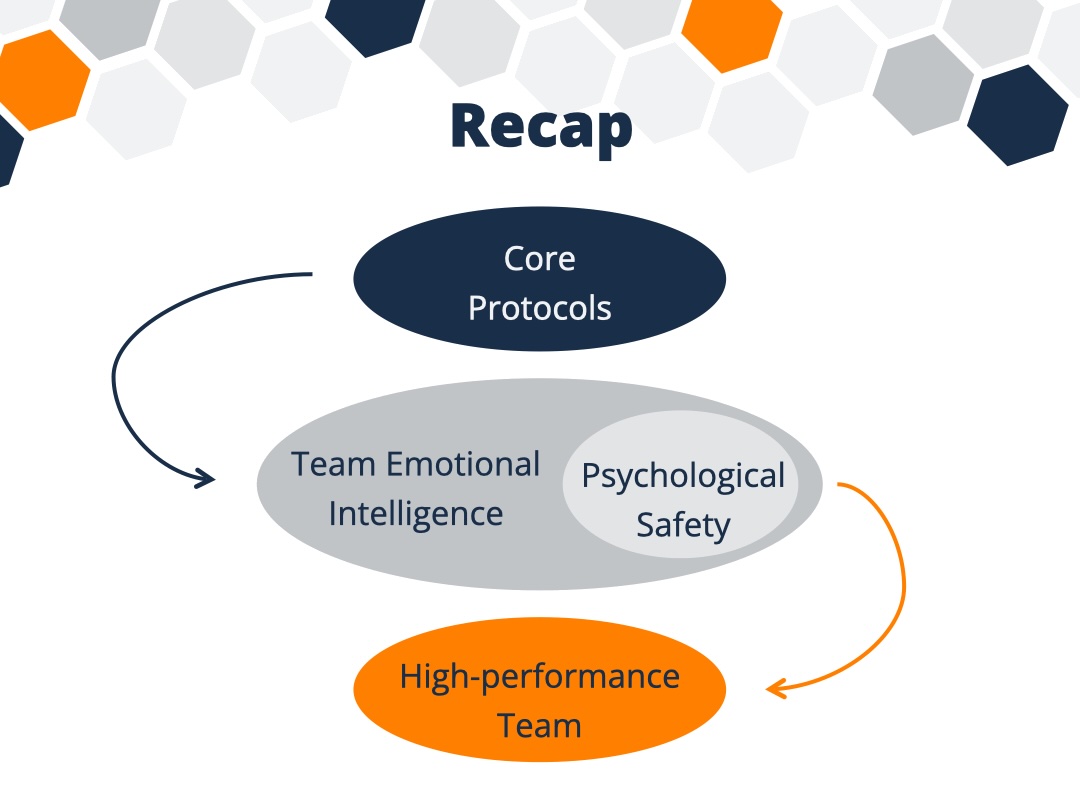
Giving each presentation their own “identity/individuality” – from scratch. Making sure each one of them stood out on their own and showcased their subject visually: every lecture covered a different topic and had a different learning objective.
The challenge wasn’t creating beautiful slides.
It was creating a new visual language every time while keeping the content engaging and easy to understand.
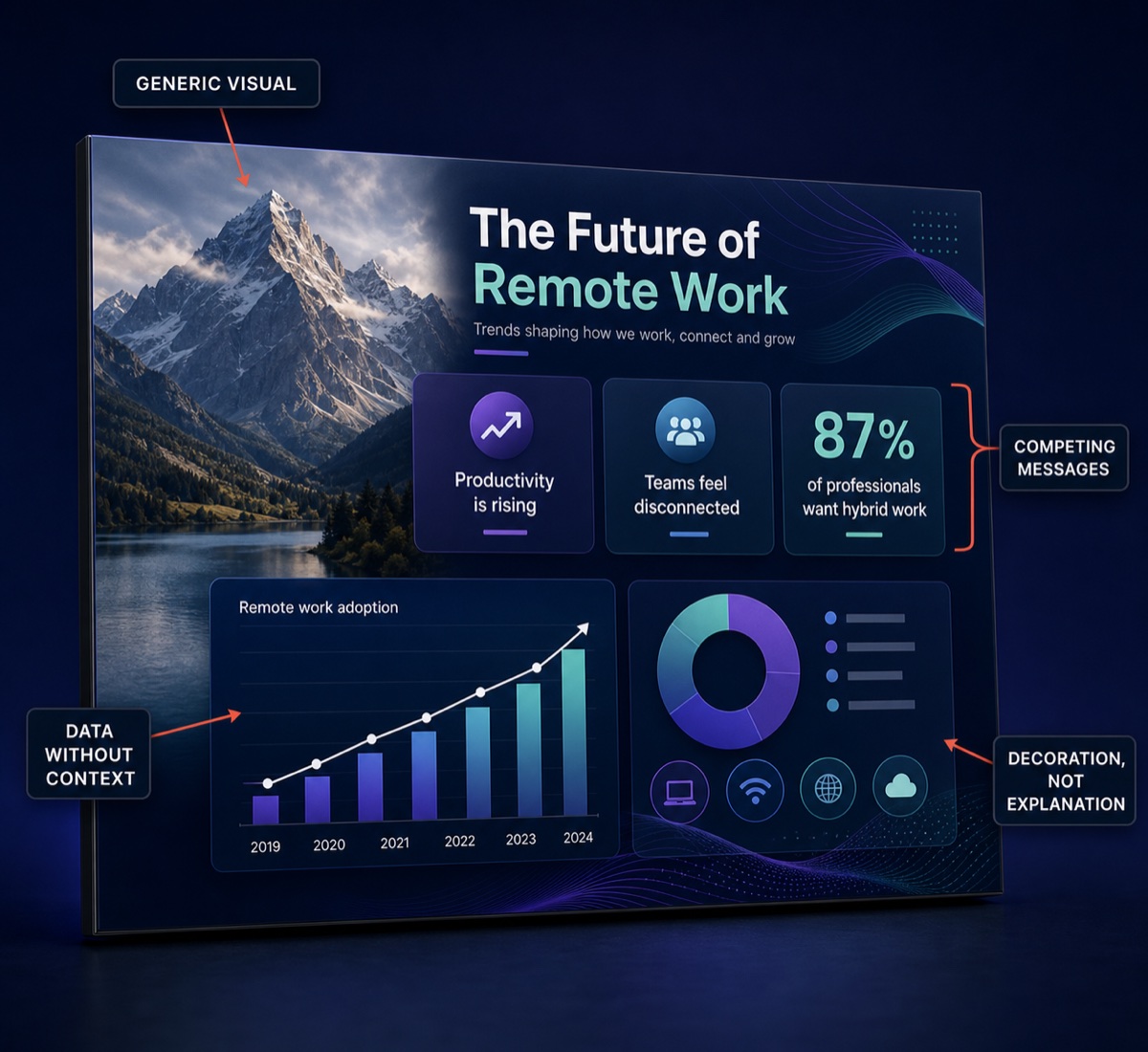
AI has transformed how quickly designers can explore, generate, and iterate. But generation alone is not design.
Without human direction, AI can produce work that can look designed without being well designed. The outcome still depends on the designer’s expertise: knowing what matters, recognizing what works, and refining what does not.
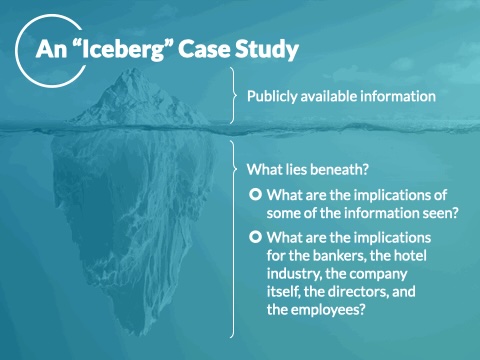
After 500+ presentations, I know that the real work lies beneath the surface and that judgment and taste are what I bring to AI-assisted design.
AI has expanded what I can explore and how quickly I can work, but the responsibility remains the same: to make thoughtful choices, give information structure, and create design that does more than look good. It has to work.
I'm always excited to collaborate on new projects. Whether you need a presentation, brand identity, or marketing materials, let's create something amazing together.
 LinkedIn
 WhatsApp